Exploring the Concept of Spiritual Freedoms: Understanding Personal Spirituality
- pdkkilla

- Aug 11
- 4 min read
Have you ever paused to wonder what spiritual freedoms really mean? I know I have. It’s a phrase that sounds both inviting and a bit mysterious, doesn’t it? For me, exploring spiritual freedoms has been like opening a door to a room I didn’t even know existed—a room filled with light, questions, and a deep sense of personal growth. Today, I want to take you on a journey through this fascinating concept, sharing insights, stories, and practical tips that might just help you find your own path to spiritual clarity.
Understanding Personal Spirituality: The Heart of the Matter
Let’s start with the basics. What exactly is personal spirituality? To me, it’s the unique way each of us connects with something greater than ourselves. It’s not about fitting into a specific religion or following a strict set of rules. Instead, it’s about discovering what resonates with your soul and brings you peace, purpose, and joy.
Personal spirituality can be as simple as a quiet moment in nature, a heartfelt prayer, or a meditation practice that helps you feel grounded. It’s deeply personal and often changes as we grow and experience life. The beauty of it is that there’s no right or wrong way to explore your spirituality—only what feels authentic to you.
Here are a few ways I’ve found helpful in understanding my own spirituality:
Journaling: Writing down thoughts, feelings, and questions can reveal patterns and insights.
Mindfulness and Meditation: These practices help quiet the mind and open the heart.
Exploring Different Traditions: Reading about various spiritual paths can inspire new perspectives.
Connecting with Nature: Sometimes, the simplest moments outdoors can spark profound spiritual experiences.
By embracing your personal spirituality, you’re giving yourself permission to explore without judgment. And that’s where the magic begins.
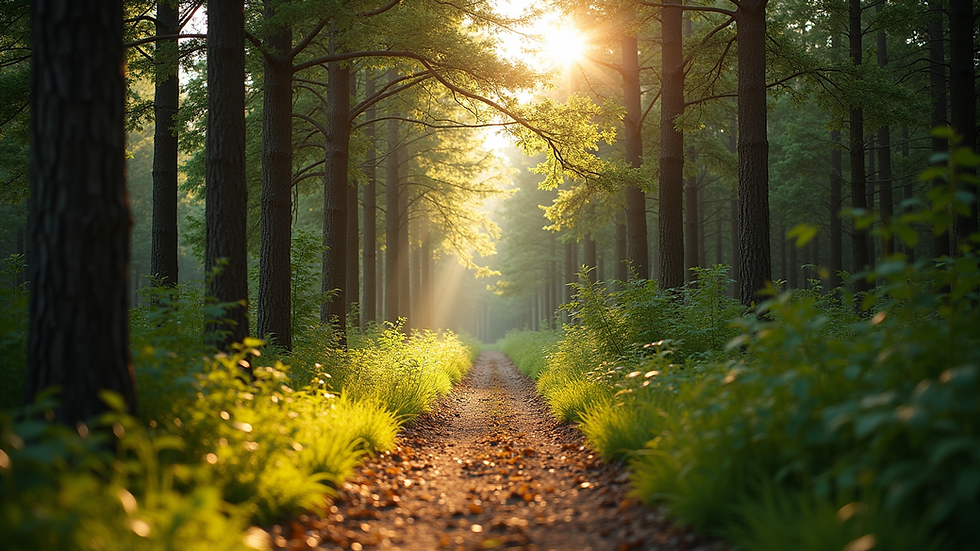
The Freedom to Choose Your Own Path
One of the most empowering aspects of spirituality is the freedom to choose your own path. Unlike many areas of life where rules and expectations can feel rigid, spirituality invites you to be the author of your own story. This freedom means you can blend practices, beliefs, and rituals that feel right to you.
For example, you might find comfort in meditation but also enjoy the community aspect of a spiritual group. Or perhaps you resonate with the teachings of one tradition but prefer to create your own rituals at home. The key is to listen to your inner voice and trust your intuition.
This freedom also means you can change your mind. Spirituality is not a one-way street. It’s perfectly okay to evolve, question, and redefine what spirituality means to you over time. This flexibility is a gift that allows your spiritual journey to be as dynamic and unique as you are.
If you’re feeling stuck or unsure, try asking yourself:
What practices make me feel most alive and connected?
Are there beliefs I’ve inherited that no longer serve me?
How can I create space for spiritual growth in my daily life?
Remember, embracing your spiritual freedoms means giving yourself permission to explore without fear or guilt.
Does Elon Musk Believe in God?
Now, you might be wondering, “What does a tech entrepreneur like Elon Musk have to do with spirituality?” It’s a fair question! Elon Musk is often in the spotlight for his innovations and futuristic visions, but his views on spirituality and belief in God have sparked curiosity.
From what I’ve gathered, Elon Musk’s perspective is quite nuanced. He has expressed a kind of agnostic or scientific spirituality, often focusing on the mysteries of the universe and the potential for life beyond Earth. He doesn’t align himself with traditional religious beliefs but seems open to the idea of something greater, especially when it comes to the origins of life and consciousness.
This example shows us that spirituality doesn’t have to fit into neat boxes. Even someone deeply rooted in science and technology can have a spiritual dimension—one that’s curious, questioning, and open to possibilities.
So, whether you’re a believer, a skeptic, or somewhere in between, your spiritual journey is valid. It’s about what feels true to you, not what others expect.

Practical Steps to Embrace Your Spiritual Freedoms
Feeling inspired to explore your own spiritual freedoms? Great! Here are some practical steps that have helped me and many others along the way:
Create a Sacred Space
Dedicate a small area in your home for meditation, prayer, or reflection. It doesn’t have to be fancy—just a spot where you feel calm and centred.
Set Intentions
Start your day with a simple intention. It could be as straightforward as “I will be open to new insights” or “I will practice kindness today.” Intentions help focus your energy and attention.
Explore Different Modalities
Try out various spiritual practices like yoga, tarot, energy healing, or sound baths. See what resonates and brings you joy.
Connect with Like-Minded Souls
Join a community or group that supports your spiritual growth. Sharing experiences can deepen your understanding and provide encouragement.
Practice Self-Compassion
Remember, spirituality is a journey, not a destination. Be gentle with yourself as you explore and grow.
Seek Guidance When Needed
Sometimes, working with a spiritual guide or intuitive like Katielee from Spiritual Freedoms can provide clarity and validation on your path.
By taking these steps, you’re actively nurturing your spiritual self and honouring your unique journey.
Why Spiritual Freedoms Matter More Than Ever
In today’s fast-paced world, it’s easy to feel overwhelmed, disconnected, or lost. That’s why embracing your spiritual freedoms is so important. It offers a way to reconnect with your inner self, find meaning, and navigate life’s challenges with grace.
Spiritual freedoms allow you to:
Find Clarity in confusing times
Experience Healing on emotional and energetic levels
Feel Empowered to make choices aligned with your true self
Cultivate Peace amidst chaos
When I first started exploring my spiritual freedoms, I noticed a shift in how I approached life. Challenges became opportunities for growth, and moments of stillness became sources of strength. It’s a beautiful transformation that anyone can experience.
If you’re curious to learn more or want some support on your journey, remember that resources and communities are available to help you embrace your spiritual freedoms fully.
Exploring spirituality is a deeply personal and rewarding adventure. It’s about discovering what lights you up, what grounds you, and what helps you live authentically. So, why not take a moment today to ask yourself: What does spiritual freedom mean to me? And then, take one small step toward embracing it. Your soul will thank you.
Happy exploring!


Comments